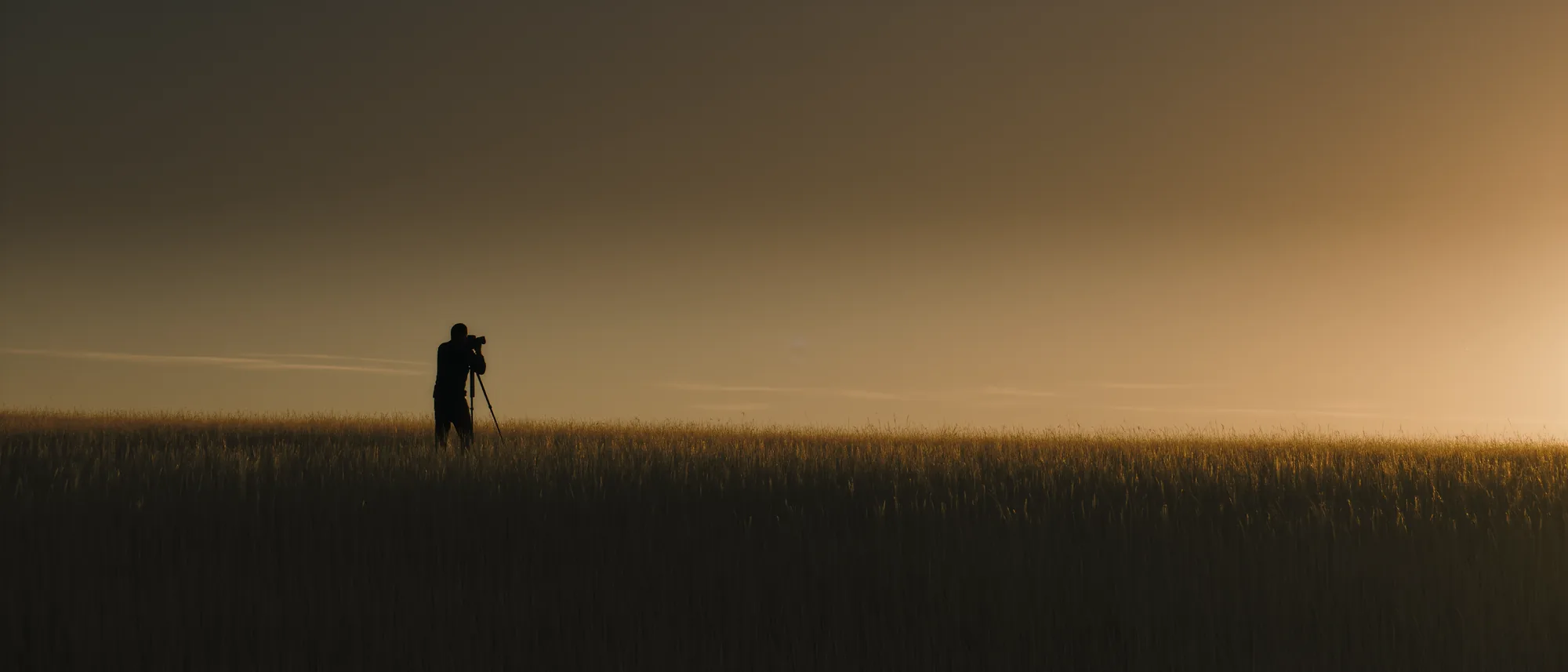
Golden hour is an altitude, not a time
Photographers talk about golden hour like it's a fixed appointment — "an hour before sunset." In reality it's defined by the sun's altitude: the warm, low-contrast light lives while the sun sits below about 6° above the horizon. How long that lasts depends entirely on where you are and what date it is, which is why this instrument asks for both.
The dial shows the whole day at a glance: gold arcs for golden hour (morning and evening), blue arcs for blue hour, and the live needle for right now. Drag it to any time to see the sun's altitude and compass bearing — useful for checking when the light clears a treeline or leaves a courtyard.
Planning client sessions around the light
- Portraits & couples — book the start of evening golden hour. You get the whole window, and clients arriving late still catch usable light.
- Weddings — check the ceremony date's actual window months ahead. A 5pm summer ceremony and a 5pm October ceremony live in different worlds of light.
- City & venue exteriors — blue hour is the professional's secret: sky glow balances window light and streetlamps for 20-40 minutes.
- Landscape scouting — the azimuth readout tells you where on the horizon the sun will sit, so you can pre-place compositions.
Why the window changes so much
Near the equator the sun crosses the horizon almost vertically and golden hour can be over in half an hour. At 55° north in June, the sun slides along the horizon at a shallow angle and warm light lingers past ninety minutes. The week-ahead table exists precisely because the window you shot last month is not the window you'll get next month — check the real dates, then put the time in the client's calendar with confidence.
Questions from the bench
What exactly is golden hour?
The window when the sun sits between about 6° above the horizon and the horizon itself. Light travels through more atmosphere, turning soft, warm and directional. Despite the name it is rarely an hour — it can run 35 minutes near the equator and well past 90 minutes at high latitudes in summer.
What is blue hour?
The period just after sunset (and before sunrise) when the sun is between the horizon and roughly 4-6° below it. Direct light is gone but the sky still glows deep blue, acting like a giant softbox — ideal for city scenes, venue exteriors and moody portraits.
Why does golden hour length change with location and season?
It depends on how steeply the sun crosses the horizon. Near the equator the sun rises and sets almost vertically, so it passes through the golden zone quickly. At higher latitudes it crosses at a shallow angle and lingers — in mid-summer Scotland the golden light can stretch for hours.
When should I schedule a portrait session?
Start at the beginning of evening golden hour, not the middle — you get the full window and the safety margin. Save the final 10-15 minutes for silhouettes and rim-light shots, when direct light gets too low for flattering faces.
How accurate is this calculator?
It uses the NOAA solar position algorithm, accurate to within a minute or two for any location and date. Local terrain — mountains, buildings — can shorten your usable window, so scout the horizon your shoot will actually see.